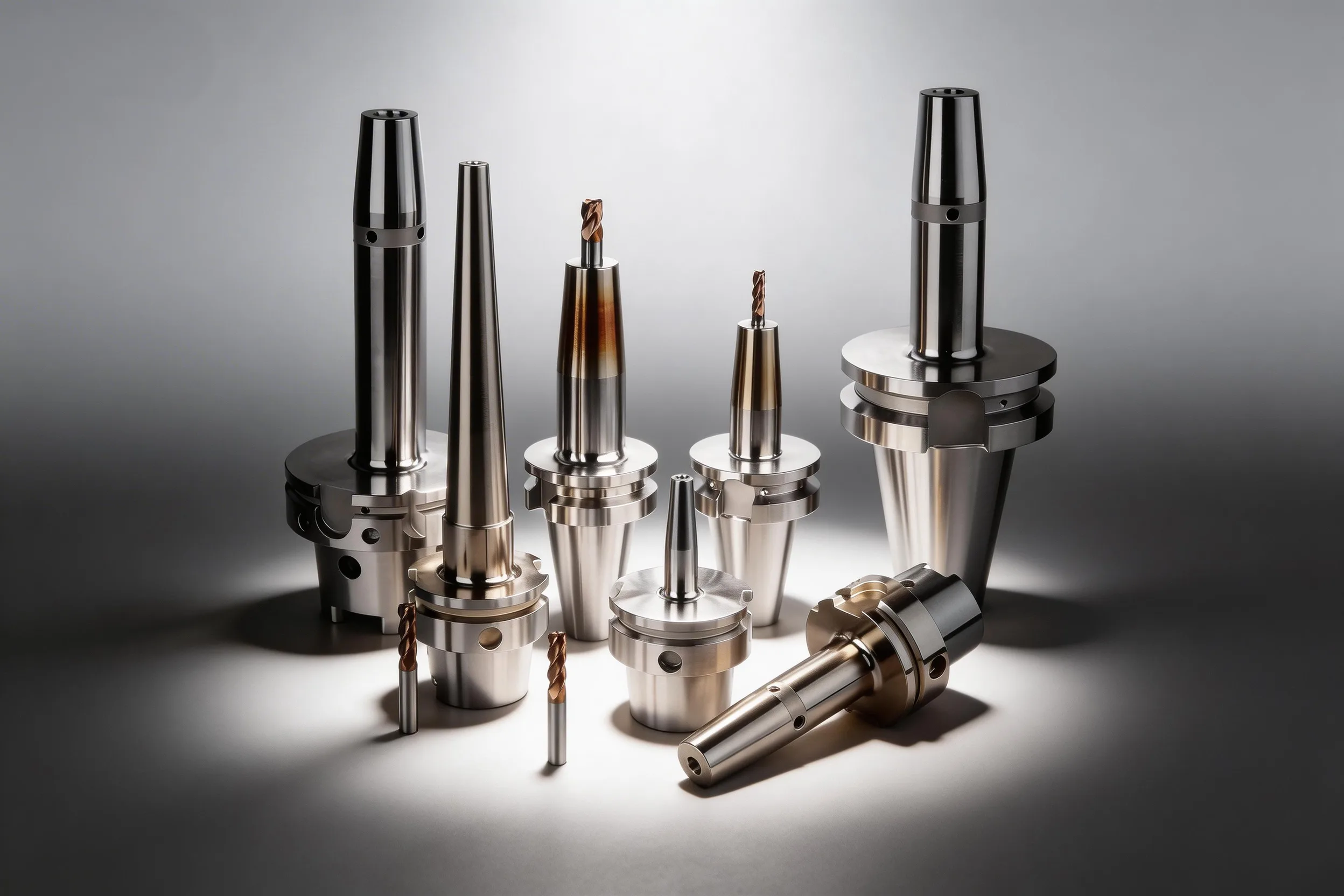
Tighten an ER collet nut to the rated torque for its size and nut type with a calibrated torque wrench in one smooth stroke — 136 Nm (about 100 ft-lb) for an ER32 standard nut per the REGO-FIX recommended tightening torque — and keep both tapers clean; that is the single highest-leverage action for holding runout within ISO 15488 limits. Because clamping force rises roughly in proportion to nut torque, under-torquing cuts grip and raises pull-out risk, while over-torquing can plastically deform the collet and permanently push TIR above the 0.015–0.020 mm Class 2 (normal grade) limit. This guide covers the torque chart, grade selection, the tightening sequence, and the measurable signs of a worn collet.
For collet size and clamping range selection, see the ER collet selection guide. For a broader comparison of ER collets versus hydraulic and shrink-fit holding systems, see collet chuck vs hydraulic chuck.
ER Collet Tightening Torque by Size
ER nut tightening torque scales with collet size — the REGO-FIX recommended tightening torque for a standard nut rises from 24 Nm for ER11 to 176 Nm for ER40 — and clamping force follows it, from a typical estimated 3,000 N (ER11) to 25,000 N (ER40), so an ER32 torque applied to an ER11 nut far exceeds its rating and risks permanent collet deformation.
These values apply to standard full-thread nuts at the upper end of each size's bore range; smaller collet bores in the same size take less torque (REGO-FIX lists 8 Nm for ER11 collets below 3 mm). Mini nuts use a finer thread and smaller outside diameter at the same ER number and are rated lower, as the mini-nut values above show. ER8 and ER50 sit outside ISO 15488 — REGO-FIX lists 6 Nm for the mini-nut-only ER8 and 240 Nm for ER50. Other nut makers publish different values, so when the nut brand is known, use that maker's torque.
For production runs a calibrated torque wrench is strongly preferred over hand-tightening — hand-tightening an ER32 nut typically delivers only 40–60 Nm, under half the 136 Nm rated torque and therefore less than half the rated clamping force and leaving the tool susceptible to pull-out under moderate interrupted cutting.
Quick Torque and Runout Reference
| Problem / Goal | Primary Action | Expected Impact |
|---|---|---|
| Runout above ISO 15488 Class 2 limit on first setup | Check nut seating and collet taper cleanliness before re-torquing | Resolves most first-setup runout errors without replacing parts |
| Tool pull-out during roughing | Apply rated torque with a calibrated torque wrench; verify collet is not undersized | Achieves full typical estimated clamping force of 3,000–25,000 N depending on ER size |
| Runout drifts between setups (same collet) | Replace collet; Class 2 (normal grade) life is typically 500–1,000 cycles | Restores TIR to ≤0.015 mm (d₁ ≤ 10 mm) or ≤0.020 mm (d₁ 10–26 mm) per ISO 15488:2003 Table 4 |
| Finishing or reaming above IT7 tolerance | Switch to UP/AA grade collet (≤0.005 mm TIR) | Reduces runout contribution by 3–4× vs Class 2 limits |
| Collet nut seizes or torque spikes early | Clean and lightly oil nut bearing face; do not lubricate the collet taper | Reduces friction scatter, improving torque-to-clamping-force repeatability |
How ER Collet Torque Converts to Clamping Force
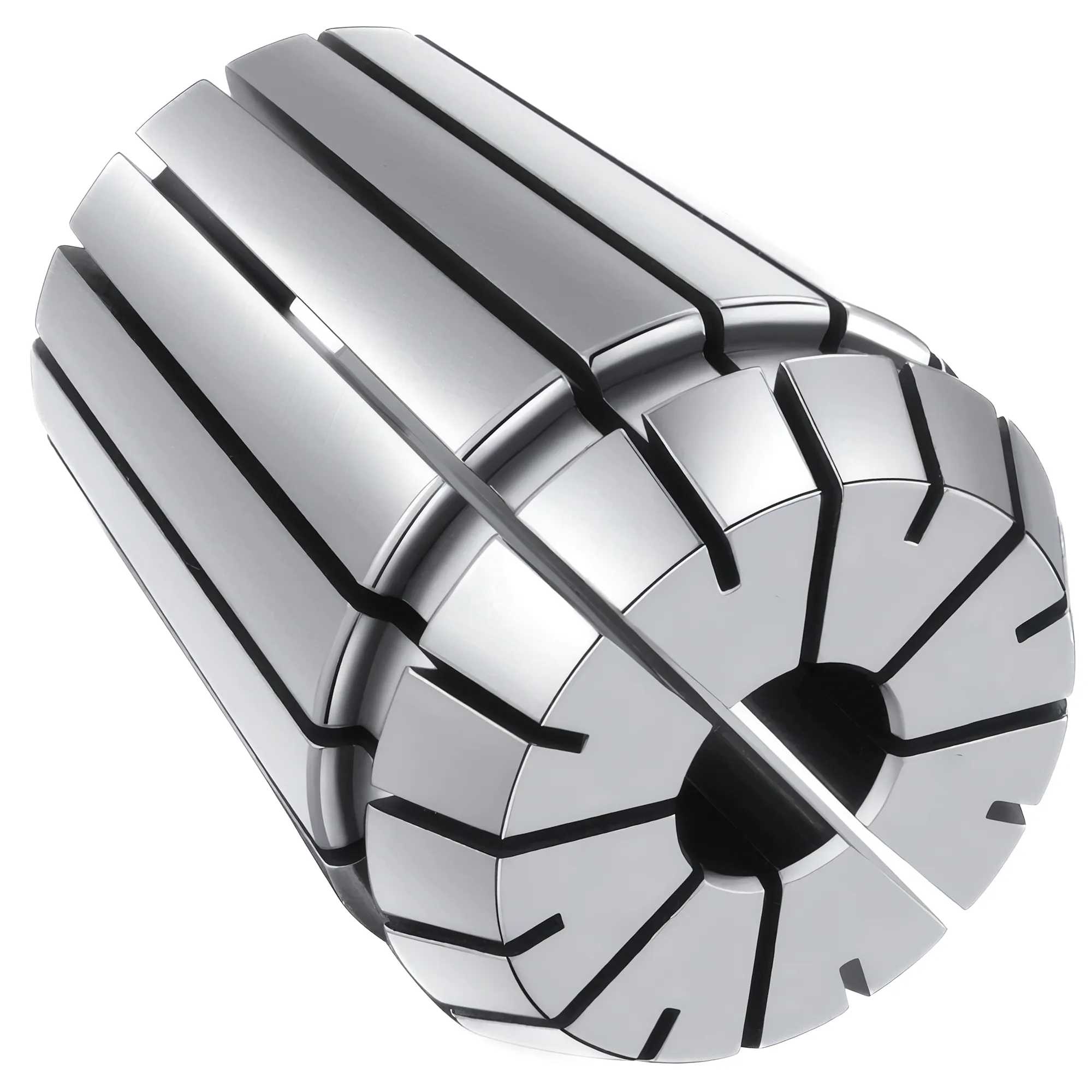
The clamping force in an ER collet system is generated by the nut compressing the collet's 8° setting-angle taper (half-angle per DIN 6499 / ISO 15488 geometry; included angle 16°) against the chuck body, which translates axial nut travel into radial squeeze on the tool shank.
Under typical conditions, clamping force rises roughly in proportion to nut torque, and the shallow 8° taper multiplies the axial nut force into a much larger radial grip. How much of the applied torque becomes clamping force depends heavily on friction at the nut thread, the nut bearing face and the taper — which is why clean, consistently lubricated nut faces matter as much as the torque value itself.
Runout Grades: Class 2 (Normal Grade) vs Precision UP/AA
ISO 15488:2003 defines two standard accuracy classes for ER collets, with UP/AA grades representing a manufacturer-defined tier above Class 1.
ISO 15488 Class 2 (normal grade) specifies runout ≤0.015 mm TIR for d₁ ≤ 10 mm and ≤0.020 mm TIR for d₁ 10–26 mm, measured at a test mandrel at specified absolute projection lengths per Table 4. This grade suits general milling, drilling, and tapping where dimensional tolerances are IT8 or looser.
ISO 15488 Class 1 specifies ≤0.010 mm TIR for d₁ ≤ 10 mm and ≤0.015 mm for d₁ in the range 10–26 mm per ISO 15488:2003 Table 4 — a meaningful improvement for light finishing where surface Ra matters but bore tolerances remain at IT7 or looser.
UP/AA grade collets (manufacturer specification) achieve ≤0.005 mm TIR through tighter grinding of the collet taper and bore, and are commonly stocked in 0.5 mm steps; each still collapses 1 mm (ER16–ER40). UP-grade collets are strongly preferred for H7 reaming, fine boring, and mold-cavity finishing where the collet's runout contribution has to stay near ~0.005 mm to keep the bore tolerance stack within drawing limits. A full UP set in 0.5 mm steps needs roughly twice as many collets to cover the same shank range — a cost factor worth planning for.
Grade Selection Rule
Use Class 2 for turning, roughing, and drilling at IT8 or coarser. Use Class 1 for finishing end mill work at IT7. Use UP/AA grade for reaming, fine boring, and any operation where collet runout much above 0.005 mm would push the dimensional tolerance beyond drawing limits.
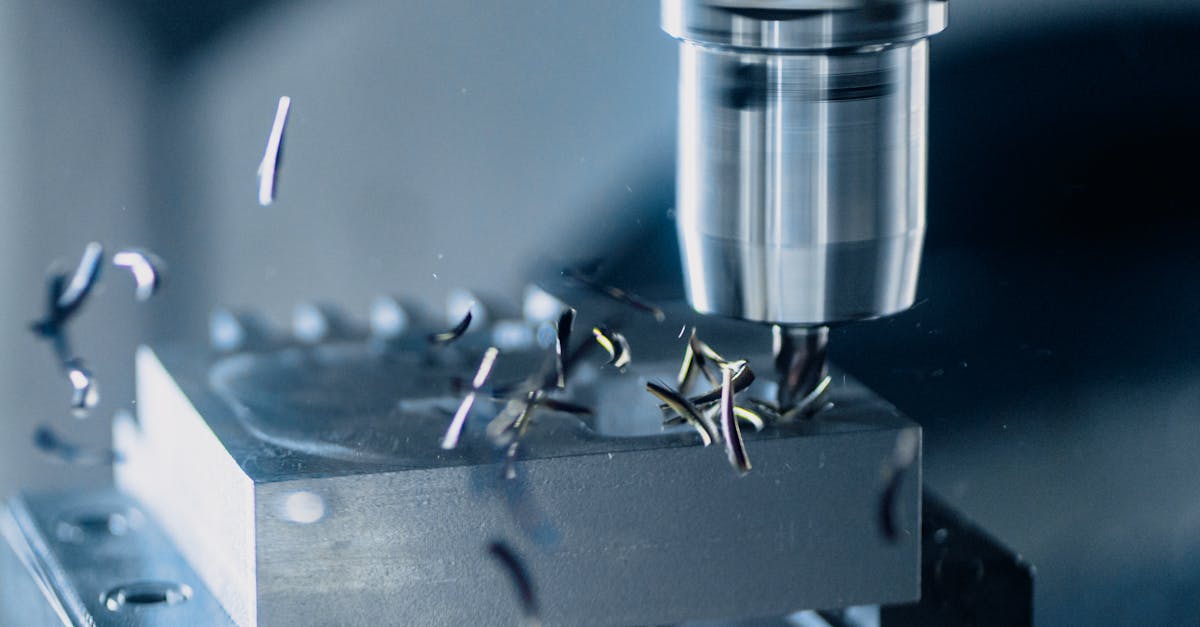
The runout-to-tool-life relationship is material: each 0.0001 inch (2.5 µm) of runout typically reduces tool life by approximately 10% under end-milling finishing conditions, so a 0.01 mm runout costs roughly 40% of tool life (BIG DAISHOWA "one-tenth rule"; varies with tool diameter, material, and feed) — which is why shops running UP-grade collets in finishing operations often report noticeably longer tool life than with Class 2 setups at the same cutting parameters.
Tightening Sequence: Snap-In, Insert, Final Torque
The correct ER tightening sequence is three steps, not one — collapsing the sequence into a single overtorque event is a common source of asymmetric runout at the time of setup.
Step 1 — Clean and snap in. Wipe the collet taper, the chuck taper bore and the nut with a clean lint-free cloth. Any chip fragment or dried coolant residue between taper surfaces creates a high spot that can tilt the collet off-axis before the nut is even engaged. Snap the collet into the nut first until it seats in the nut's retaining groove — this ensures the collet enters the chuck bore axially, not at an angle.
Step 2 — Insert the tool, then hand-snug. With the collet held in the nut, insert the tool so the shank reaches past the collet bore's effective clamping length; a shank gripped only by the front of the bore can tilt the collet and lose grip. Then thread the nut onto the chuck body by hand until resistance is felt. At this point the collet taper is seated but the clamping surfaces are not yet loaded.
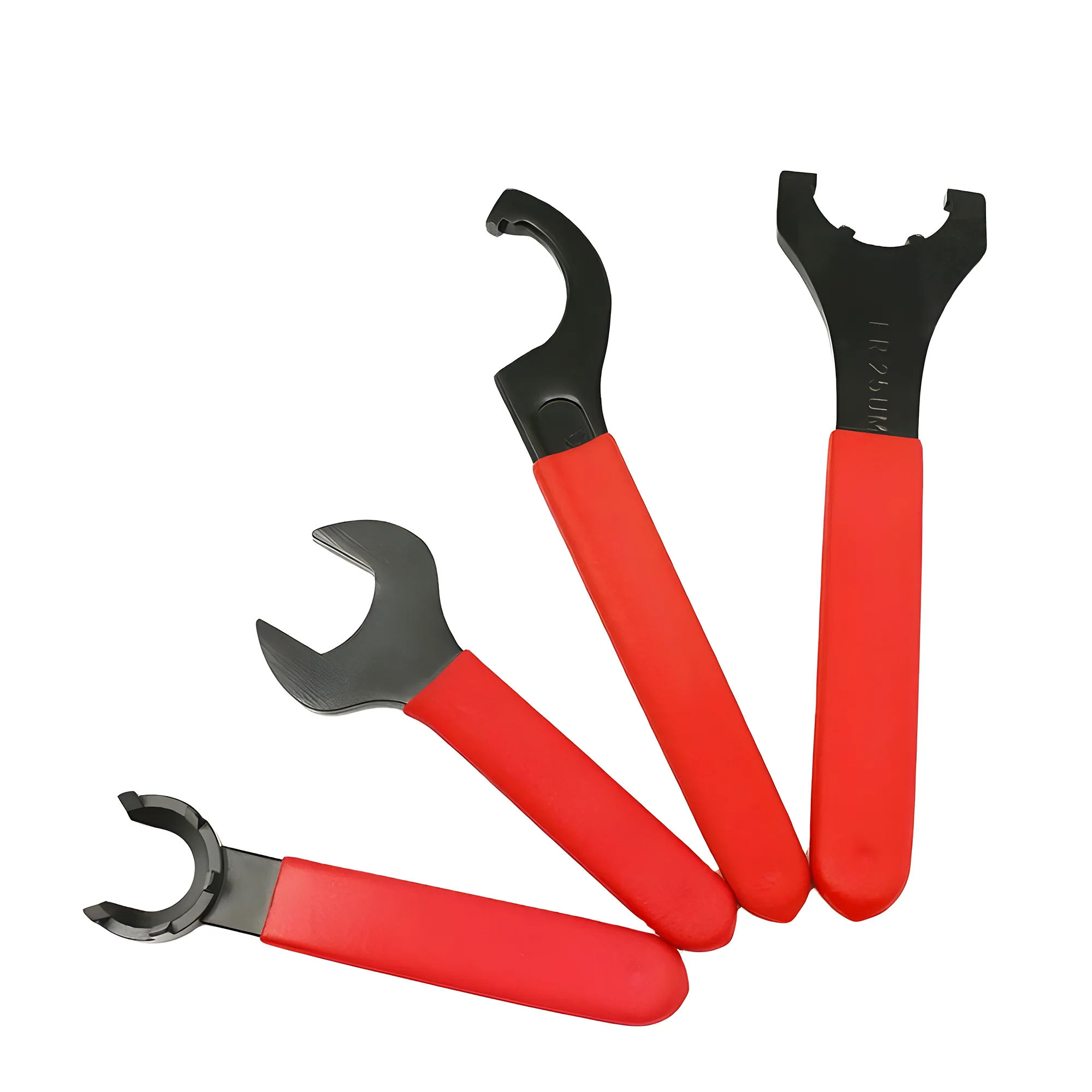
Step 3 — Torque to specification. Apply a calibrated torque wrench to the nut and tighten to the rated value for the ER size and nut type in one smooth stroke. Applying torque in multiple partial increments introduces rotational stick-slip that can cock the collet slightly off-axis in the taper.
One-Stroke Torquing
Applying final torque in two or three separate strokes — loosening between strokes "to check feel" — is a common shop habit that can add asymmetric taper contact and raise TIR compared to a single smooth stroke. Tighten once to specification and stop.
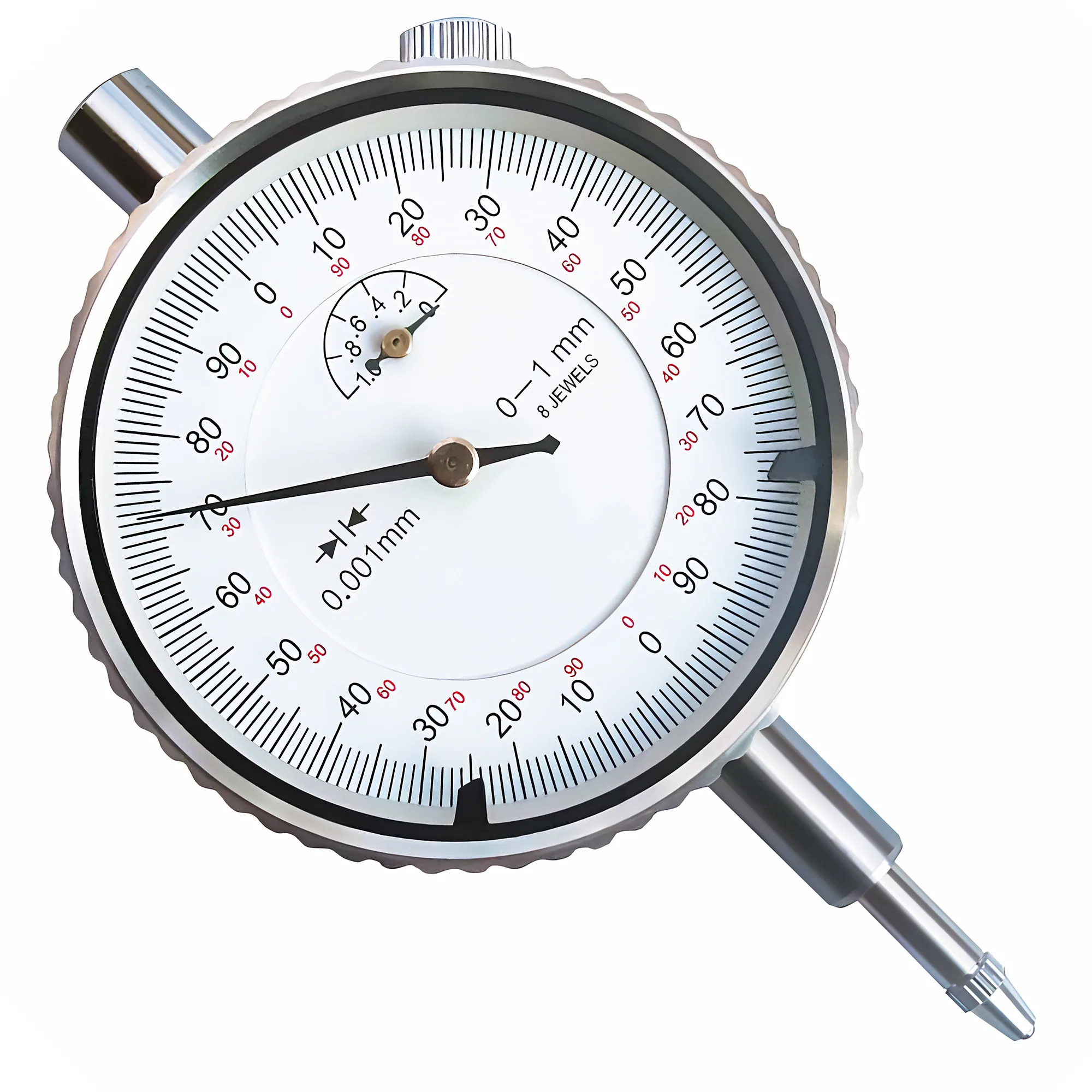
Verify runout with a dial indicator after every setup: a correctly torqued collet in a clean, undamaged chuck should read within its grade's limit at the ISO 15488 test projection (for example 40 mm for 10–18 mm bores), leaving margin for normal system variation. Readings above 0.020 mm on a brand-new collet typically indicate a contaminated taper or a damaged nut bearing face.
Accuracy Degradation: Measurable Signs and Replacement Criteria
ER collet degradation is progressive and measurable — waiting for a visible crack or an overtly loose shank grip typically means many cycles of worsening runout have already been accepted in production.
Sign 1 — TIR creep above ISO 15488 limit. The most direct indicator. Measure TIR at setup start with a 0.001 mm resolution dial indicator. Class 2 (normal grade) collets typically last 500–1,000 clamping cycles before TIR drifts above the ISO 15488 limit; proper torque discipline and h6-tolerance tool shanks can extend that service life. When TIR at a known-good chuck exceeds the ISO 15488 Class 2 limit on two consecutive setups with a clean taper, replace the collet — do not compensate by adjusting cutting parameters.
Sign 2 — Clamping range distortion. A worn collet loses its original collapse range (1 mm for ER16–ER40, 0.5 mm for ER11): the high-wear zone near the slot tips deforms outward, so the collet no longer seats concentrically across the full range. Visually, worn slot tips show bright-metal wear marks. Dimensionally, a collet failing this way typically measures higher TIR at shank sizes near the lower end of its nominal range than at the upper end.
Sign 3 — Torque-to-TIR scatter. A healthy collet produces consistent TIR across five repeated clamp-release cycles at the same torque. A collet degraded at the taper surface shows TIR scatter several times wider across the same test, meaning each setup is a gamble regardless of torque accuracy.
Sign 4 — Nut bearing-face wear. The nut, not just the collet, contributes to the system. A galled or worn nut bearing face introduces torque scatter that translates directly into clamping force scatter and TIR variation. Replacing only the collet while retaining a worn nut typically recovers only part of the expected TIR improvement.
Each 0.0001 inch (2.5 µm) increment of runout above the starting baseline represents approximately 10% additional tool life loss under typical finishing conditions — tracking TIR at setup provides an early warning that typically pays back in avoided tool breakage and scrap far beyond the cost of a replacement collet.
Summary
Calibrated torque and clean tapers are the primary controls for ER collet accuracy.
Apply torque to specification for the ER size and nut type using a calibrated wrench in one smooth stroke; clean both tapers before each setup; select UP/AA grade when operation tolerance requires TIR ≤0.005 mm; replace collets when TIR exceeds the ISO 15488 Class 2 limit on two consecutive clean setups. The full system — collet, nut, and chuck taper — degrades together, and ignoring nut wear cancels much of the benefit of fitting a new collet.
ISO 15488 and DIN 6499 define the taper geometry and runout classes that make ER collets the dominant tool-holding interface for 30- and 40-taper machining centers — their interchangeability depends on maintaining the interface dimensions through torque discipline and timely replacement. For a complete overview of tool holding systems beyond ER collets, including tapers, hydraulic chucks, and shrink-fit holders, see the complete guide to tool holding for CNC machining.
How tight should an ER collet nut be?
Tighten to the rated torque for the ER size and nut type with a torque wrench in one smooth stroke — 136 Nm (about 100 ft-lb) for an ER32 standard nut per REGO-FIX. Hand-tightening usually reaches only 40–60 Nm, under half the rated clamping force; overtightening can deform the collet and permanently worsen runout.
What is the correct clamping torque for an ER32 collet?
The REGO-FIX recommended tightening torque for an ER32 standard nut is 136 Nm (about 100 ft-lb), applied with a calibrated torque wrench in one smooth stroke; collets under 3 mm take only 24 Nm. Under-torquing to 40–60 Nm (typical hand-tightening) delivers less than half the typical estimated 10,000–15,000 N clamping force, creating pull-out risk under moderate interrupted cuts. Use the torque value specified for the collet size and nut type, not a single value for all ER nuts.
How do I know if my ER collet needs replacement?
Measure TIR with a 0.001 mm dial indicator. If TIR exceeds the ISO 15488 Class 2 limit — per ISO 15488:2003 Table 4: ≤0.015 mm for d₁ ≤ 10 mm; ≤0.020 mm for d₁ ranging 10–26 mm — on two consecutive clean, torqued setups, replace the collet. Class 2 collets typically last 500–1,000 cycles; proper torque discipline can extend that life.
When should I use UP/AA precision collets instead of Class 2 (normal grade)?
Use UP/AA grade (≤0.005 mm TIR) for H7 reaming, fine boring, and mold-cavity finishing where the collet's runout contribution has to stay near 0.005 mm to keep the bore tolerance within drawing limits. For general milling and drilling at IT8 or coarser, ISO 15488 Class 2 collets are typically sufficient and cost less per cycle.
Does lubricating the collet taper improve runout?
No — keep the collet taper and chuck bore clean and dry so the taper seats metal-to-metal and concentrically per ISO 15488 geometry. Lubricate only the nut's bearing face and thread with a light film of machine oil, which reduces friction scatter and improves torque-to-clamping-force repeatability. Oil on the taper can let the collet float axially and raise TIR.
How does collet runout affect tool life?
Under the BIG DAISHOWA one-tenth rule, each 0.0001 inch (2.5 µm) of runout reduces tool life by approximately 10%, so 0.01 mm of runout costs roughly 40% in finishing tests. Moving from the ISO 15488 Class 2 limit (0.015–0.020 mm) to a UP/AA collet (≤0.005 mm) cuts the collet's runout contribution by 3–4×, typically extending finishing tool life.
Sources
- ISO 15488:2003 — Collets with 8° setting angle for tool shanks
- DIN 6499 — Clamping sleeves for collet chucks
- BIG DAISHOWA — The One Tenth = 10% Rule and Effects of Runout
- Rego-Fix ER Collet System Technical Reference
- REGO-FIX — Recommended tightening torque for ER and MR clamping nuts
- ISO 463:2006 — Geometrical product specifications — Dial gauges