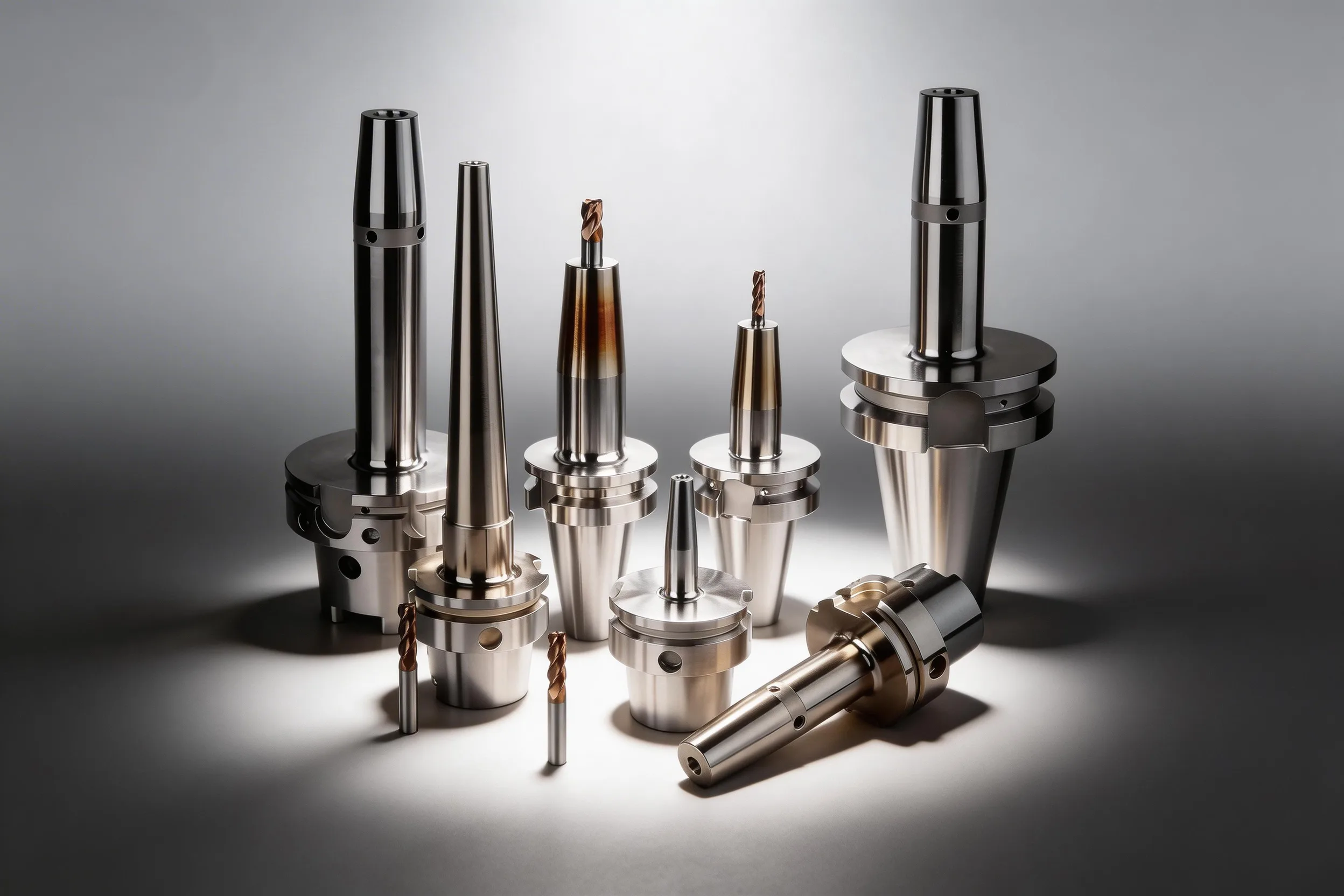
A basic CNC tooling setup requires three decisions: taper standard (BT40 for Asia, CAT40 for North America, HSK-A63 for high-speed), collet system (ER32 covers 2-20 mm in 1 mm clamping bands per ISO 15488 / DIN 6499), and a measuring instrument (0.01 mm resolution digital caliper for general verification). This guide walks through each decision in order so you can build a reliable setup from day one.
Quick CNC Beginner Setup Reference
The five most common beginner CNC tooling failures — wrong taper, tool pullout, inconsistent clamping, no runout verification, and excessive stickout — can each be prevented with a specific one-time setup action before the first cut.
| Problem / Goal | First Action | Expected Impact |
|---|---|---|
| Wrong/unknown taper standard | Identify spindle taper from machine manual (BT/CAT/HSK) before buying any holders | Prevents pull-stud damage to spindle; BT and CAT pull-stud threads are not interchangeable |
| Building a first tool library | Buy one ER32 collet chuck + 6mm/8mm/10mm/12mm collets | Covers most common end mill and drill shanks per DIN 6499 (2-20 mm range) at lowest entry cost |
| Inconsistent tool clamping | Use ER nut wrench with torque wrench at manufacturer spec | Reduces tool pullout from hand-tightening; brings runout under 0.02 mm consistently |
| No way to verify dimensions | Add 0-150 mm digital caliper (0.01 mm resolution) + 0-75 mm micrometer + dial test indicator | Enables setup verification, runout checking, and finished-part QC for under $400 |
| Excessive tool runout (>0.02 mm) | Re-seat tool, then check with dial indicator on magnetic base | Reduces tool deflection and chatter; AA-grade collets push runout below 0.005 mm for finishing |
| Tap or end mill breaking on first cuts | Verify tool stickout is minimum needed for the operation | Cuts deflection by the cube of stickout length; the single biggest cause of beginner tool breakage |
Choose Your Taper Standard First
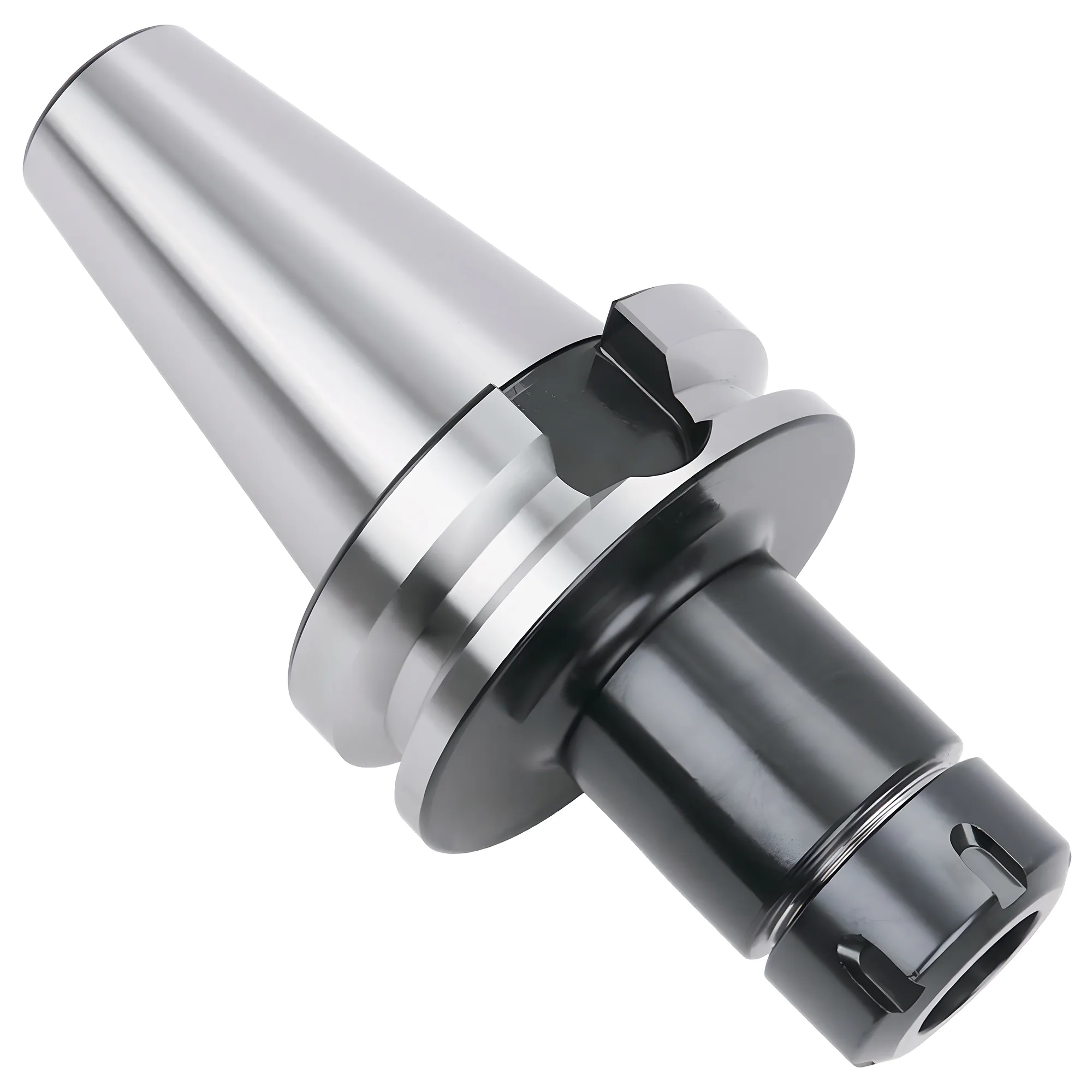
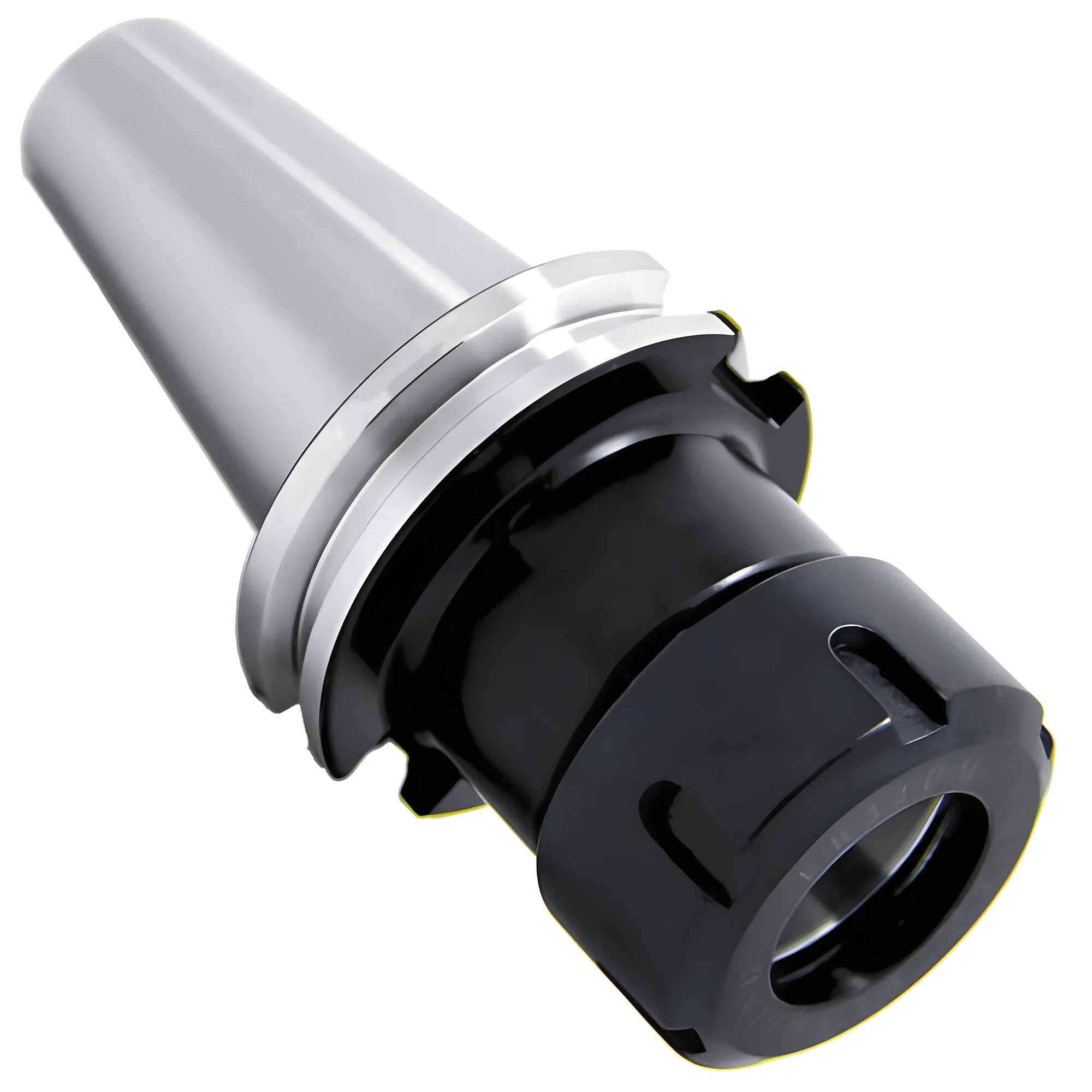
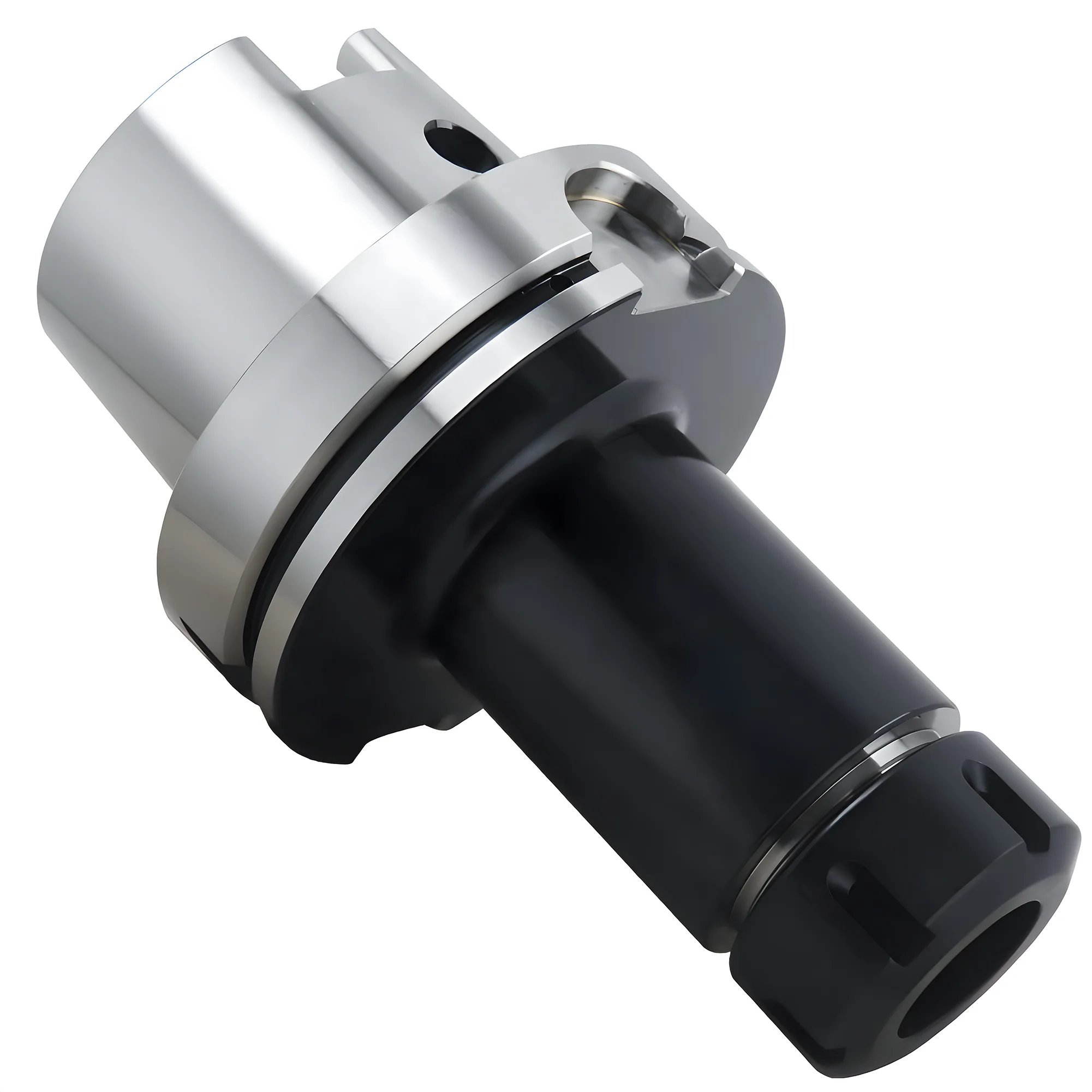
Your spindle taper is fixed by the machine, not chosen — BT40 dominates Asia, CAT40 dominates North America, and HSK-A63 is strongly preferred above 20,000 RPM where dual-contact geometry maintains face contact under centrifugal loads. This is not an arbitrary choice — it is a constraint set by your machine and spindle manufacturer.
| Standard | Region | Speed Limit | Common Sizes |
|---|---|---|---|
| BT | Asia | 12,000-20,000 RPM | BT30, BT40, BT50 |
| CAT | North America | 12,000-20,000 RPM | CAT40, CAT50 |
| HSK | Global (growing) | 40,000+ RPM (HSK-E variants) | HSK-A63, HSK-A100 |
Speed limits vary by taper size within each family. BT50/CAT50 are typically limited to 8,000-12,000 RPM; BT30/BT40/CAT40 can reach 15,000-20,000 RPM with dual-contact systems. HSK toolholders are strongly recommended when spindles exceed 20,000 RPM because the dual-contact face-and-taper interface specified in DIN 69893 stays seated under the centrifugal expansion that releases steep tapers like BT and CAT; most high-speed spindle manufacturers specify HSK as the preferred interface at these speeds. ER collets (8° setting angle, cylindrical bore) and their holders and nuts are dimensioned per ISO 15488 to ensure interchangeability across collet manufacturers and chuck bodies.
For the side-by-side BT/CAT/HSK breakdown covering pull-stud geometry, contact area, and speed limits, see the BT vs CAT vs HSK comparison.
Check Your Spindle
Look at your machine manual or the spindle nose. The taper is stamped or labeled. BT and CAT look similar but are NOT interchangeable — the pull stud threads differ.
Start With ER Collet Chucks
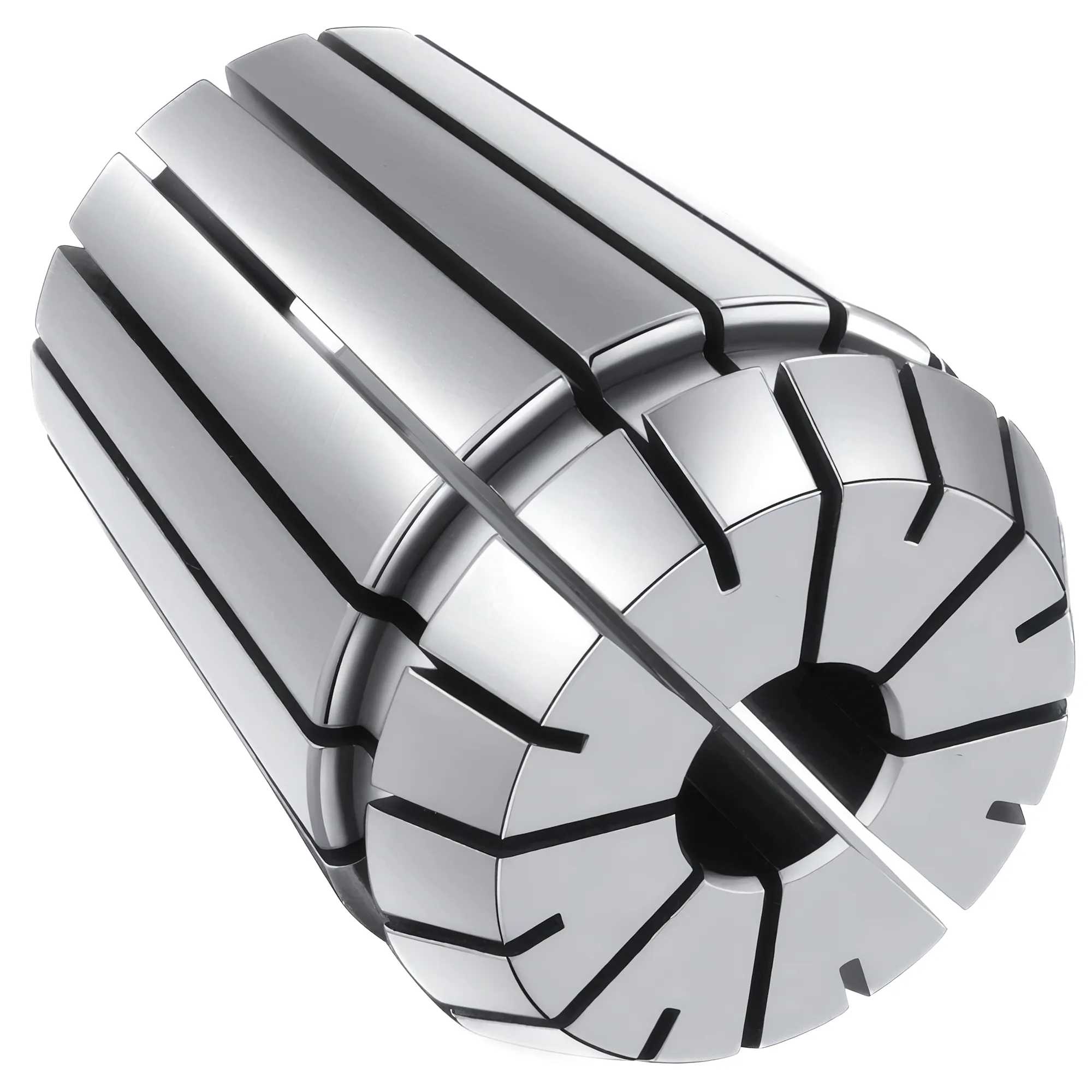
ER collet chucks per DIN 6499 are the highest-versatility entry point because one ER32 chuck body covers 2-20 mm of tool shanks in 1 mm clamping bands. For a first setup, ER collet chucks offer the best versatility. One chuck body holds dozens of collet sizes, covering a wide range of tool shank diameters. To match the series and collet sizes to your tools, see the ER collet selection guide.
Recommended starter setup by machine size:
- BT30 small machines: ER20 system (typical clamping range 1-13mm)
- BT40 / CAT40 general: ER32 system (typical 2-20mm range, covers the most common tool shanks for general CNC work)
- BT50 / CAT50 heavy: ER40 system (typical 3-26mm range for large tools)
Do Not Skip the Nut Wrench
Use the correct ER nut wrench and a torque wrench. Hand-tightening produces inconsistent clamping force, leading to tool pullout during cutting.
Once your first ER setup is reliable, you can expand to hydraulic, shrink-fit, or milling chuck holders depending on runout, gripping force, and damping requirements.
Essential Collet Sizes to Stock
A starter set of four collets (6mm, 8mm, 10mm, 12mm) covers the most common end mill and drill shanks for general CNC work. You do not need every collet size on day one. Start with the sizes matching your most common tool shanks:
| Priority | Shank Diameter | Typical Tools |
|---|---|---|
| Must have | 6mm, 8mm, 10mm, 12mm | End mills, drills |
| Should have | 3mm, 4mm, 16mm, 20mm | Small end mills, larger tools |
| Nice to have | Odd sizes, imperial | Special applications |
Standard ER collets hold runout to ≤0.020 mm TIR for general machining; AA-grade (UP) collets achieve ≤0.005 mm TIR, which is meaningful for finishing passes where every micron of runout accelerates tool wear.
Buy AA-Grade for Finishing
Standard collets are fine for roughing and drilling. For finishing operations where surface quality matters, invest in AA-grade (high-precision) collets with runout under 0.005mm.
Add Basic Measuring Instruments
A digital caliper, micrometer set, and dial test indicator together cover the core beginner CNC measurement needs — dimensions, precision fits, and runout — at under $400 in entry-level tools. Cutting tools are only as good as your ability to verify the work. Start with three essential instruments:
- Digital caliper (0-150mm) — General dimension checking. Look for 0.01mm resolution and IP54 or better protection rating for shop floor use.
- Outside micrometer set (0-75mm) — Precision verification of critical dimensions. Use the ratchet stop for consistent measuring force.
- Dial test indicator — Setup verification, runout checking, and part alignment. Mount on a magnetic base for flexibility.
Resolution, accuracy class, and instrument selection beyond this starter set depend on the tolerance bands of the parts you produce.
First-Day Checklist
Six pre-cut checks (taper match, pull stud, collet seating, torque, runout under 0.02 mm, and stickout) prevent the most common beginner failures including spindle damage and tool pullout. Before your first cut, verify these fundamentals:
- Confirm taper compatibility between holder and spindle
- Install pull stud with correct thread specification
- Insert collet into nut before threading onto chuck (not the reverse)
- Torque the collet nut to specification (check manufacturer data)
- Check tool runout with a dial indicator — should be under 0.02mm
- Verify tool stickout length is appropriate for the operation
Start simple with ER32, expand as you learn.
An ER32 collet chuck system with 6-8 common collet sizes, a torque wrench, and basic measuring instruments covers the vast majority of beginner CNC work. Add specialized holders (hydraulic, shrink fit) only when you identify specific performance gaps in your operations.
What is the best tool holding system for a CNC beginner?
Start with an ER32 collet chuck system. It typically covers a 2-20mm clamping range, handles the most common range of tool shanks, and is the most cost-effective entry point. Add specialized holders like hydraulic or shrink-fit only when you identify specific performance gaps.
Are BT and CAT tool holders interchangeable?
No — BT and CAT tapers use different pull stud thread specifications despite looking similar externally. A BT40 holder requires an M16 pull stud; a CAT40 holder uses a 5/8-11 UNC stud. Installing the wrong pull stud can damage the spindle retention mechanism. Always verify the taper standard in your machine manual before purchasing holders.
How do I check tool runout after installing a collet chuck?
Mount a dial test indicator on a magnetic base, position the probe against the tool shank near the cutting end, and rotate the spindle by hand. Total indicated runout (TIR) should be under 0.02 mm for general machining and under 0.005 mm for finishing operations with AA-grade collets.
What collet sizes should I buy first?
Start with 6 mm, 8 mm, 10 mm, and 12 mm collets — these 4 sizes cover the most common end mill and drill shank diameters. Add 3 mm, 4 mm, 16 mm, and 20 mm next. Buy AA-grade (≤0.005 mm TIR) collets for finishing operations where surface quality is critical.